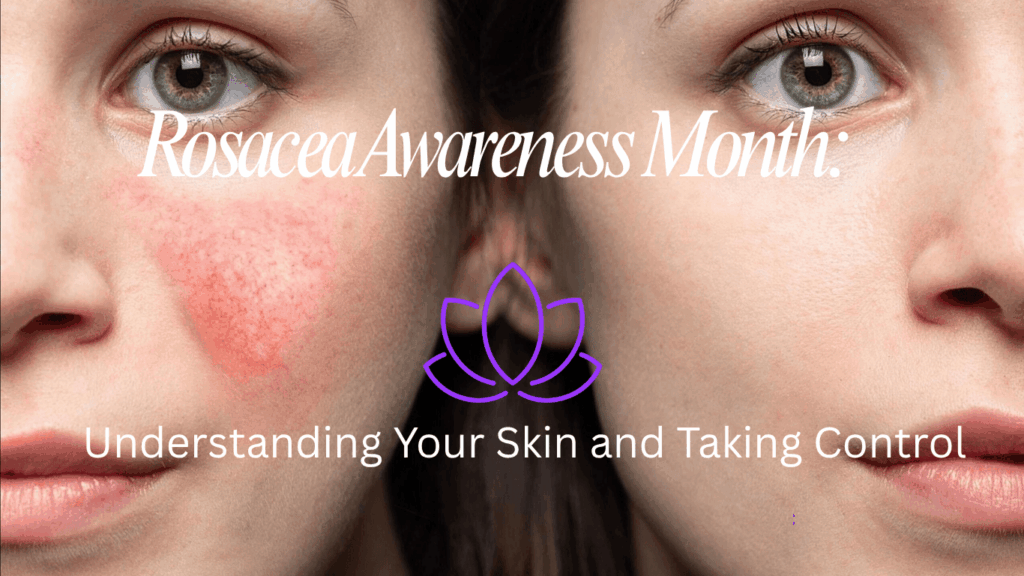
April is Rosacea Awareness Month, a time dedicated to increasing understanding of a skin condition that affects millions—yet is still often misunderstood.
If you experience persistent redness, flushing, or sensitive, reactive skin, you’re not alone. Many of my patients come to clinic unsure whether what they’re experiencing is “just sensitive skin” or something more.
Let’s break it down clearly.
What is Rosacea?
Rosacea is a chronic inflammatory skin condition that primarily affects the central face—typically the cheeks, nose, chin, and forehead.
It often presents as:
- Persistent redness
- Flushing or blushing easily
- Visible thread veins (telangiectasia)
- Spots or pustules (often mistaken for acne)
- Skin sensitivity, burning, or stinging
In some cases, it can also affect the eyes (ocular rosacea).
Rosacea is not caused by poor hygiene, and it’s not something you can simply “scrub away.”
Let’s understand more during Rosacea Awareness Month
Why Does Rosacea Happen?
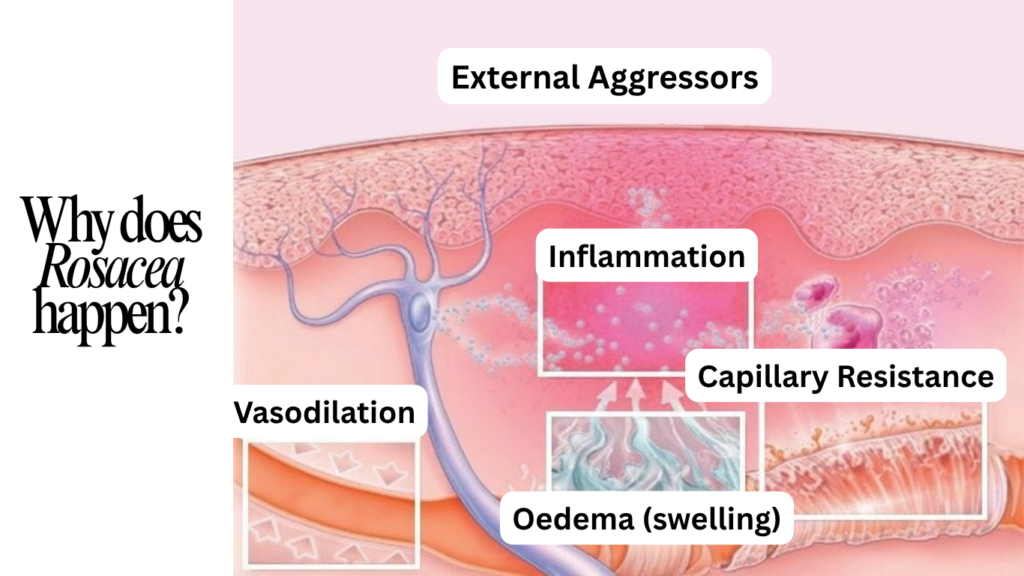
While the exact cause isn’t fully understood, we know it involves a combination of:
- Impaired skin barrier function
- Overactive blood vessels (leading to flushing)
- Inflammation and immune response changes
- Microbiome imbalance
Common triggers include:
- Heat and temperature changes
- Alcohol
- Spicy foods
- Stress
- Sun exposure
- Harsh skincare products
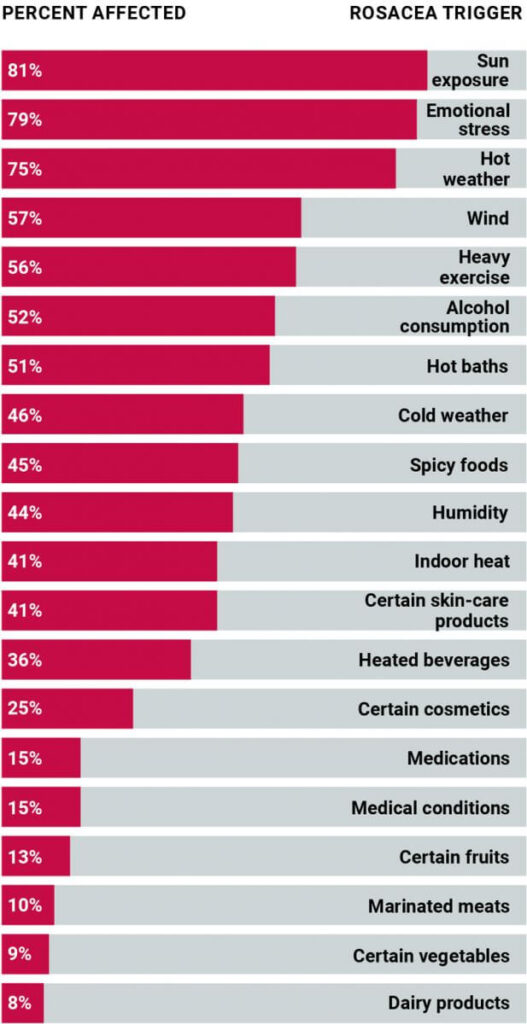
Understanding your personal triggers is a key part of managing rosacea long-term.
The Different Types of Rosacea
Rosacea doesn’t look the same for everyone. It generally falls into four subtypes:
- Erythematotelangiectatic – persistent redness and flushing
- Papulopustular – redness with acne-like breakouts
- Phymatous – skin thickening (often around the nose)
- Ocular – affecting the eyes (dry, irritated, watery)
Many patients experience a combination rather than just one type.
Why Early Treatment Matters
Rosacea is a progressive condition. Without appropriate management, symptoms can worsen over time.
Early intervention can:
- Reduce flare-ups
- Strengthen the skin barrier
- Calm inflammation
- Improve overall skin comfort and confidence
This is where a medical, tailored approach is essential—rather than trial-and-error skincare.
Managing Rosacea: What Actually Helps?
Treatment is never one-size-fits-all, but typically includes a combination of:
✔️ Medical-Grade Skincare

Gentle, barrier-supporting products are key. Harsh exfoliants and active-heavy routines often worsen symptoms.
✔️ Trigger Management
Identifying and reducing your personal triggers can make a significant difference.
✔️ In-Clinic Treatments
Depending on your presentation, I may recommend:
- Skin peels designed for sensitive skin
- LED light therapy
- Skin-strengthening treatments such as polynucleotides
LED Light Therapy: A Gentle but Powerful Option
One of the most effective non-invasive tools for managing rosacea is LED light therapy.
This is why I now offer the BioNovu Professional Home LED Face Mask—allowing my patients to continue treatment consistently at home. Rosacea Awareness Month is the perfect time to invest.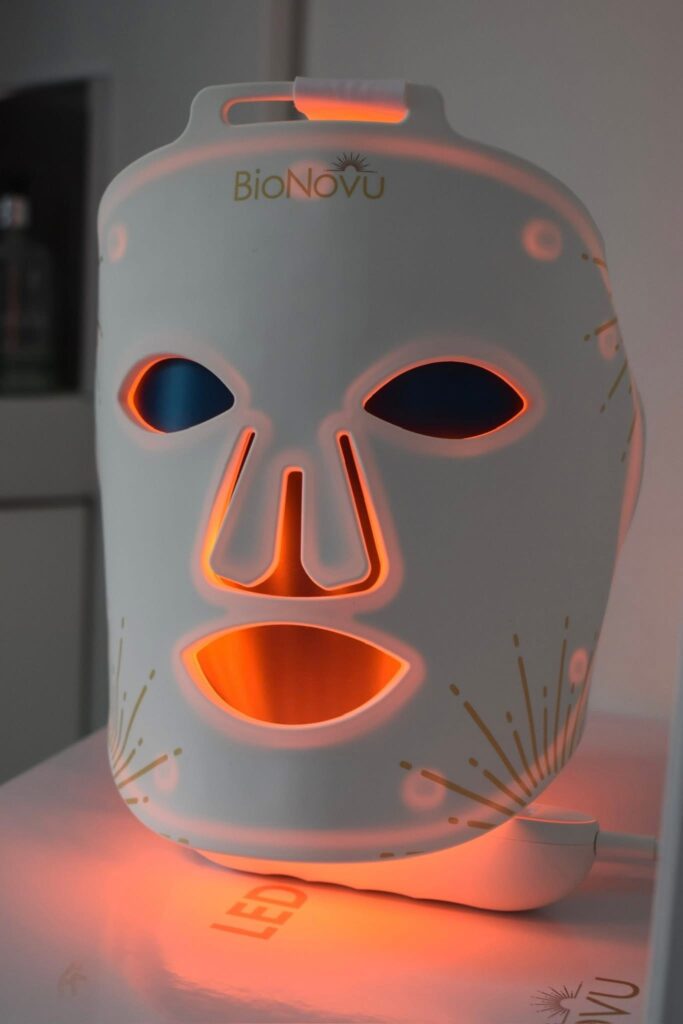
LED therapy works by:
- Reducing inflammation (red light wavelengths)
- Calming reactive skin
- Supporting healing and skin barrier function
- Improving overall skin resilience
It’s particularly suitable for rosacea because it is:
- Non-invasive
- Gentle
- Safe for regular use
- No downtime
For many patients, this becomes a cornerstone of their long-term skin management.
When to Seek Professional Advice
If you’re experiencing:
- Persistent redness that doesn’t fade
- Frequent flushing
- Sensitive or reactive skin
- Breakouts that don’t respond to acne treatments
…it’s worth having a professional assessment.
Rosacea is often misdiagnosed or self-treated incorrectly, which can worsen symptoms.
My Approach in Clinic
As an Advanced Nurse Practitioner and prescriber, I take a medical approach to skin health.
That means:
- A full consultation and skin assessment
- Identifying your specific rosacea subtype and triggers
- Creating a tailored treatment plan
- Supporting you with both in-clinic and at-home options
My aim is not just to “treat” your skin—but to help you understand it and feel in control of it again.
Final Thoughts for Rosacea Awareness Month
Rosacea can be frustrating—but with the right approach, it is absolutely manageable.
You don’t need to keep guessing or trying products that aren’t designed for your skin.
This Rosacea Awareness Month is the perfect time to take that first step.
Ready to Get Started?
If you think you may have rosacea, or want to improve your current symptoms:
📩 Book a consultation
📲 Message me directly
💡 Ask about the BioNovu LED Home Therapy Mask