
There is something about September that feels like a fresh start. Summer holidays are ending, routines begin again and many of us suddenly feel ready to start looking after ourselves properly. In clinic, I notice the same shift every year. Patients start looking at their skin again.
Don’t start with a treatment. Start with your skin.
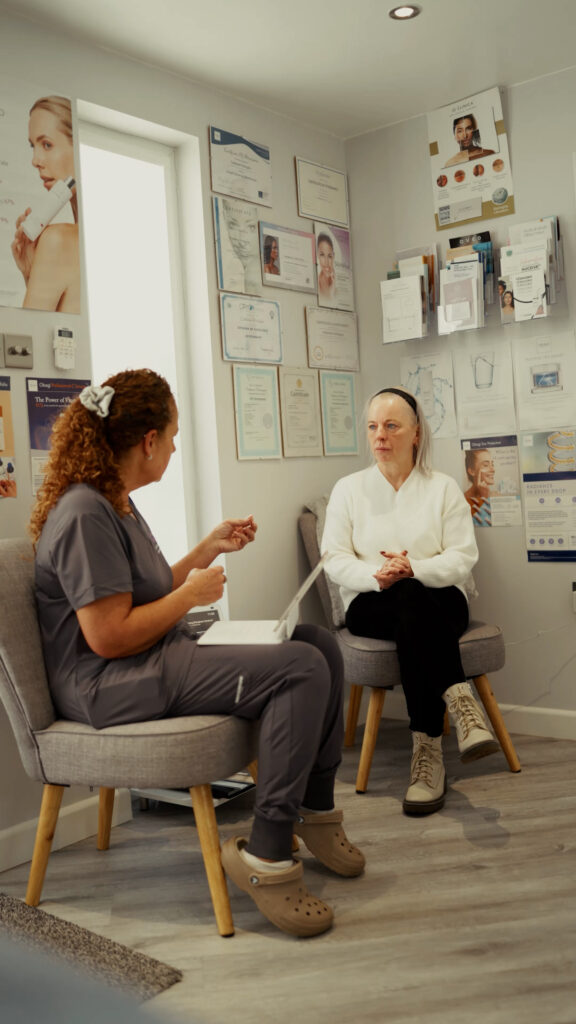
One of the biggest changes in the way I practise aesthetic medicine is that I am far less interested in asking, “What treatment would you like?” and much more interested in asking, “What are we actually trying to improve?”
They are very different questions. A patient may think she needs filler, when improving skin quality and supporting collagen would give a more natural result. Another may believe she needs a skin booster, when what she really needs first is to repair an impaired skin barrier and establish the right home skincare routine.
Sometimes someone comes in convinced she needs treatment at all, and my advice is that I would not treat anything. Good aesthetics is not about doing more. It is about doing what is right, at the right time, for the right reason.
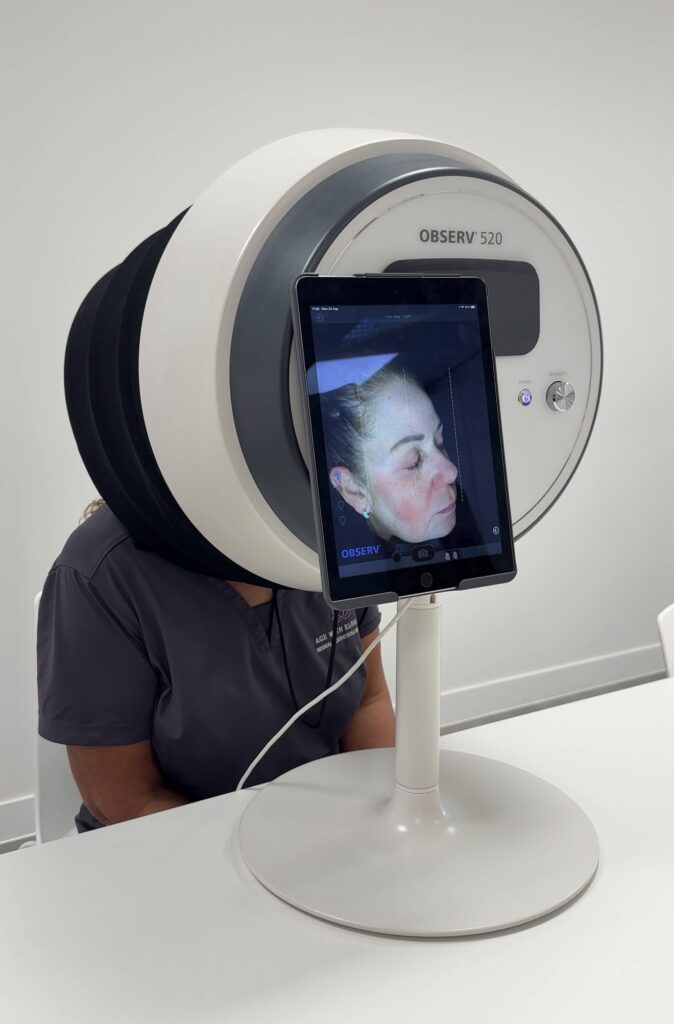
Start with observation
So, what has changed in your skin?
Before thinking about treatment, try looking at your skin without being critical. Think about how it has changed over the last six to twelve months.
- Drier or more dehydrated
- Rougher or less smooth
- More uneven in colour
- More pigmented
- Less firm
- More prone to redness or sensitivity
- More congested
- Duller than it used to be
- More lined
- Less resilient
The foundation
Healthy skin comes before aesthetic treatment
We often talk about individual treatments in aesthetics, but one of the most important things I have learnt over years of treating faces is that good skin changes everything.
You can improve volume and structure beautifully, but if the overlying skin is dehydrated, poorly functioning, pigmented or significantly photoaged, you are only addressing part of the picture.
For many patients in their 40s, 50s, 60s and beyond, the goal is not to look twenty years younger or like a different person. It is to look healthy, well-rested, fresher and still like themselves.
At-home support
Medical-grade skincare may be your first treatment
Never underestimate what the right home skincare programme can achieve. And I deliberately say the right programme, rather than the most expensive programme or the one with the largest number of products.
More is not necessarily better. In fact, one of the problems I increasingly see is people using too much, often bought separately because somebody on social media recommended it.
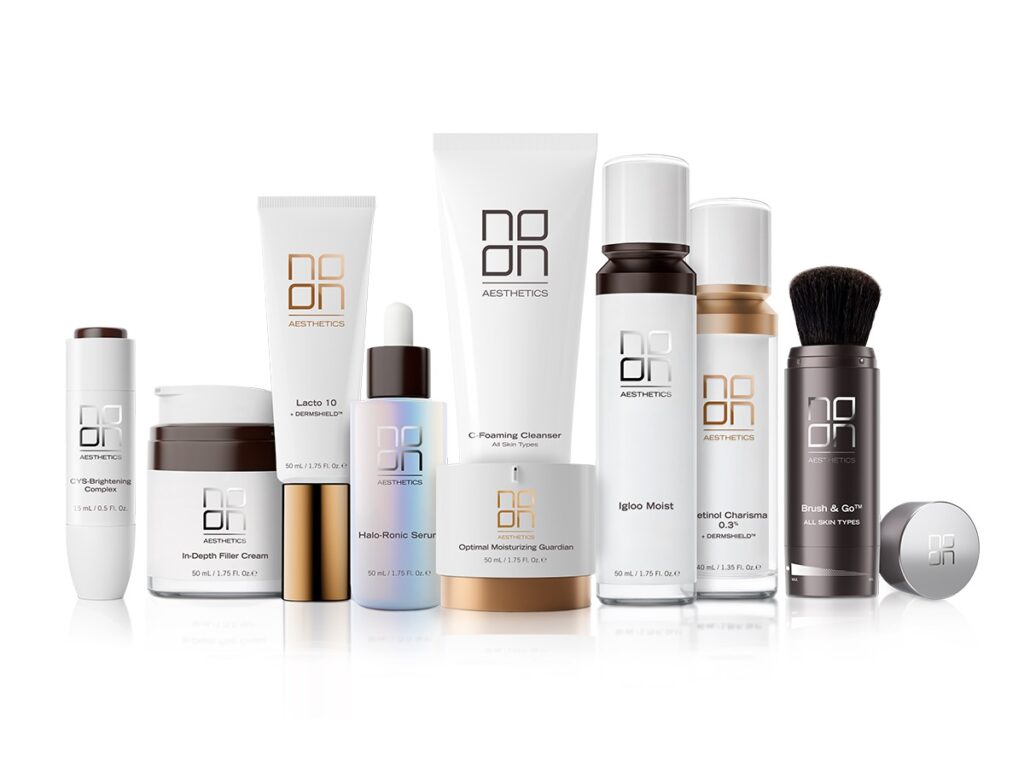
I work extensively with Obagi Medical and Noon Aesthetics so I can build programmes around the individual. Depending on the skin, we might be focusing on hydration, barrier health, pigmentation, acne, texture, photoageing or simply maintaining already healthy skin.
Consistency nearly always wins.
Autumn treatment planning
What treatments might form part of an autumn skin plan?
There is no single “September facial” that everybody should have. The right plan depends on what we find during assessment, your medical history, your skin and what you are hoping to achieve.
Professional skin peels
Autumn has traditionally been associated with peel season. Professional peels can help with uneven tone, pigmentation, texture, congestion and signs of photoageing. But “a peel” is not one treatment. The formulation, ingredients and depth all matter, and stronger does not automatically mean better.
Microneedling and RF microneedling
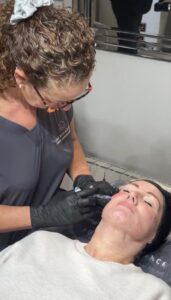
Microneedling creates controlled micro-injury within the skin to stimulate wound healing and collagen remodelling. RF microneedling combines this with radiofrequency energy delivered at controlled depths and can form part of a plan for texture, pores, lines, scarring, laxity and skin quality.
Polynucleotides
Polynucleotides are popular because they align beautifully with a regenerative, natural-looking approach. They are not fillers and are not primarily there to change facial shape. Instead, they support the skin’s repair environment and improve qualities such as hydration, elasticity and overall skin condition.
Skin boosters
When hydration and skin quality are the priority, selected hyaluronic-acid based skin boosters may be considered. They are designed to improve hydration and skin quality within the skin, rather than make cheeks bigger or alter the contours of the face.
Collagen stimulation
Treatments such as Radiesse, Sculptra and Novuma can be used in carefully selected patients as part of a longer-term regenerative strategy. These treatments work differently from traditional dermal fillers and are about progressive improvement over time, not instant change.
The key ingredient: time
Whether we are talking about collagen stimulation, improving pigmentation or repairing the skin barrier, September is valuable because it gives us time. Good aesthetic medicine should not feel rushed.



Think ahead
If you want to look your best for Christmas, don’t start at Christmas
There are roughly three months between the beginning of September and the festive season. That gives us time for a proper consultation, establishing or adjusting your skincare, completing a course of treatments where appropriate, reviewing progress and allowing everything to settle naturally.
September gives us time for:
- A proper consultation and assessment
- Establishing or adjusting your skincare
- Completing a course of certain treatments
- Allowing collagen stimulation to begin
- Reviewing progress and making considered adjustments
- Allowing everything to settle naturally
Summer effects
What about the effects of summer?
Repeated ultraviolet exposure contributes to photoageing, and cumulative exposure over time can contribute to pigmentation, uneven tone, changes in texture, fine lines and loss of elasticity. Skin may also feel more dehydrated following holidays, heat, swimming and changes to routine.
Pigmentation isn’t all the same
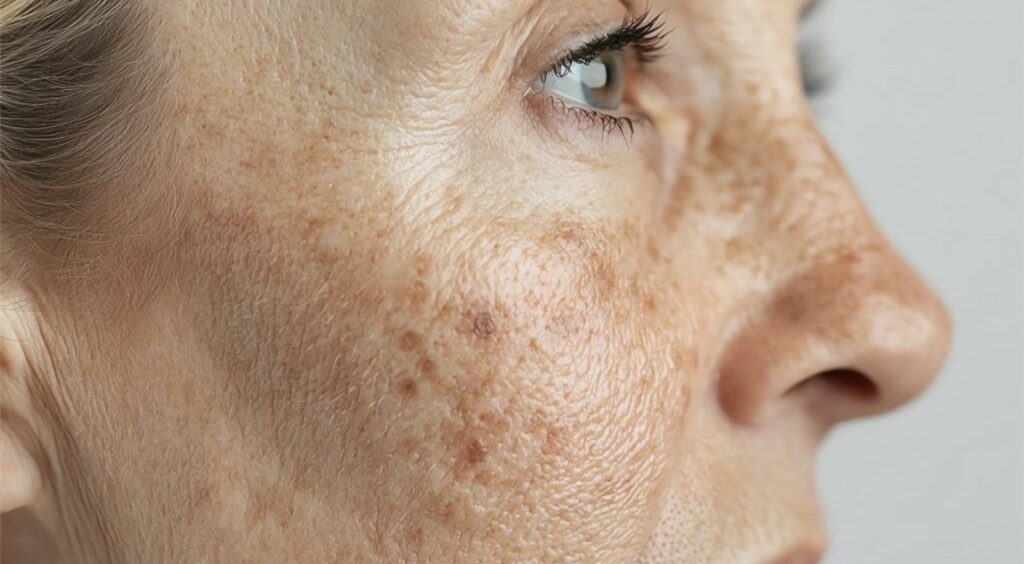
Freckles, solar lentigines, post-inflammatory hyperpigmentation and melasma are all different and do not necessarily respond to the same treatment. That is why I prefer to assess pigmentation before treating it.
And yes, SPF still matters
Broad-spectrum sun protection is not just for holidays. UV exposure is cumulative, and protecting the skin from further damage is especially important when we are investing time and money in improving pigmentation, collagen and overall skin quality.
Still important
What about anti-wrinkle treatment and dermal filler?
They absolutely still have a place. Anti-wrinkle treatments can soften lines associated with repeated muscle movement while maintaining natural expression when treatment is appropriately planned. Dermal fillers can be very useful when genuine volume loss or structural change is contributing to the ageing process.
But neither automatically needs to be the starting point. Sometimes the real issue is skin quality, collagen loss or another aspect of facial ageing. Sometimes a combination approach is best, and sometimes we decide that filler is not required at all.
My framework
My five-step approach to ageing well
If you are thinking about doing something for yourself this autumn but are not sure where to begin, this is the framework I use.
Assess
Consider what is actually changing: the skin, facial structure, muscle movement, volume distribution and the way tissues are ageing.
Skin health
Get the foundations right first: barrier health, appropriate active skincare, hydration, protection and pigmentation management where needed.
Collagen
Where appropriate, consider treatments that support the skin and tissues rather than simply adding volume.
Structure
If genuine structural or volume change is contributing, we can then consider carefully placed filler or another intervention.
Maintain
Good results are not about continually adding more. They are about maintaining what has been achieved and adapting the plan over time.
Questions to ask yourself
Your September skin check
- Has something changed about my skin over the last year?
- Am I happy with the skincare I am using, and do I know why I am using it?
- Has pigmentation become more noticeable?
- Does my skin feel drier, thinner or less resilient?
- Am I noticing changes in firmness or facial structure?
- Is there something bothering me that I would like an expert opinion on?
- Would I like to improve my skin before Christmas?
- Am I looking for a treatment, or am I looking for a result?
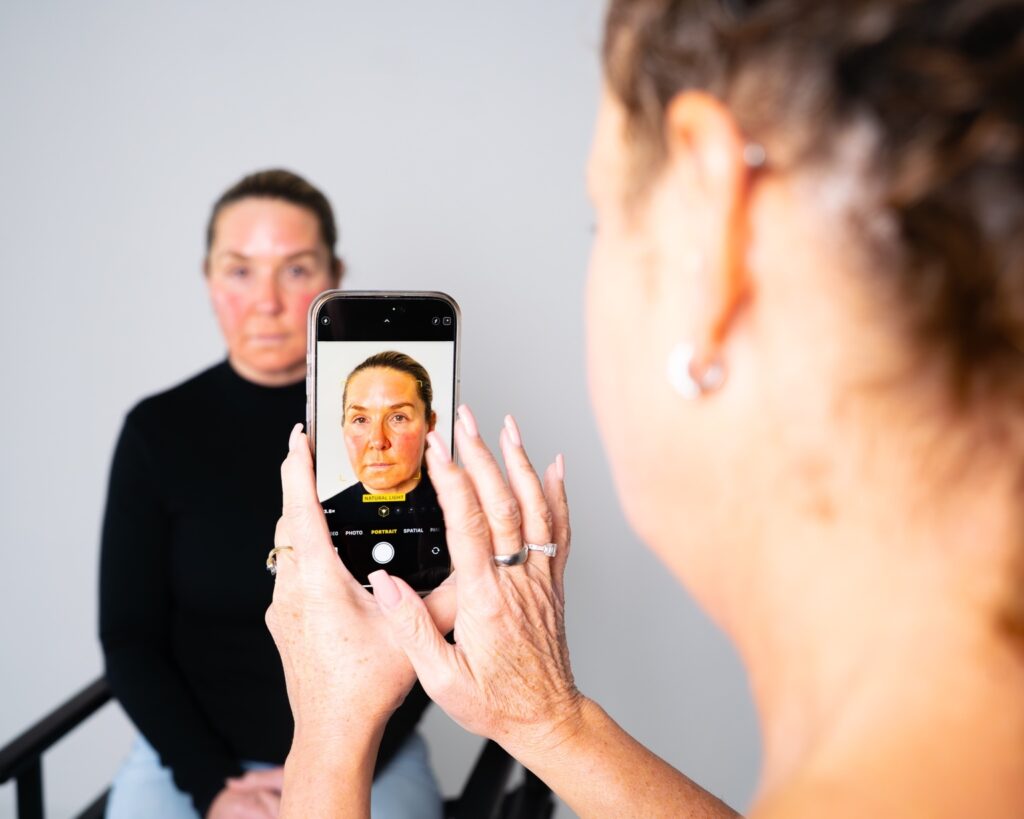
You do not need to diagnose your own face. You do not need to know whether you need polynucleotides, Radiesse, microneedling, filler, a peel or a skin booster. A consultation gives us the opportunity to look properly at what is changing and decide what, if anything, would be appropriate.
Ready for your September reset?
Start with your skin, not with a trend
If September has got you back into that “right, it’s time to start looking after myself again” frame of mind, perhaps start by understanding what your skin and face actually need.
You can explore the Age With Elegance website for more information about skin health, facial ageing, medical-grade skincare and regenerative treatments, or book a consultation and we can work out the plan together.